Mexico Yacht Charter Guide
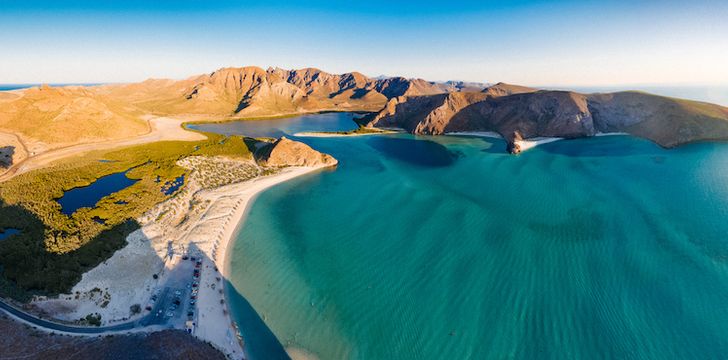
Mexico Charter Destination Overview and information
About Mexico | Chartering in Mexico | Destinations | Getting There | Climate | Culture
Geography | Cuisine | Currency | Language | History | Our Charter Yachts | Cancun Yacht Charter
Overview
VIVA MEXICO! This was the cry used by Miguel Hidalgo to rally his fellow Mexicanos in the struggle against colonialism and today it is still a fitting slogan for exotic and vivacious Mexico, the country they say is so lively that even the Day of the Dead is a party!
Covering an area of almost two million sq km, Mexico is the fifth largest country in the Americas and, with a history that stretches back over ten thousand years, the culture is as diverse as the terrain. Mexico is full of surprises and opposing identities with desert landscapes, snow-capped volcanoes and luscious jungles, ancient Mayan and Aztec ruins, bustling industrialized cities, colonial towns and glitzy resorts, deserted beaches and a world-renowned ‘mega-diverse’ array of flora and fauna.
The mix of modern and ancient, traditional and surreal is key to the charm of Mexico and every individual can find something from the immense platter of passions to indulge in. Of course, if all this sounds too much, you can always join the locals in their love of free time and relax on a sun-kissed beach until mañana comes.
Chartering a Yacht in Mexico
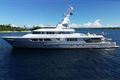
The warm dry climate in Mexico means that it is a great yacht charter destination all year round, even when it is humid, you can just jump into the amazingly soothing turquoise waters. All types of yacht charter are available, motor yachts, sailing yachts, bareboat or crewed, catamarans and even the luxury mega-yachts are starting to make an appearance!
The best thing about chartering a yacht in Mexico is that you can be constantly entertained by following the fiestas along the coastline and join in the Mexican fun as they celebrate in colour, style and vibrancy. In addition to the glorious white beaches and extensive activities available; you can experience spectacular sunsets, hiking, diving, sport fishing, kayaking, whale watching, guided tours and golf to name only a few of the contrasting activities to choose from.
Chartering in Mexico remains relatively inexpensive in comparison to other travel destinations, making this one of the most intriguing destinations and best charter values in the world today.
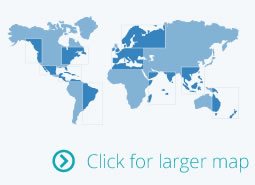
Map of Mexico Yacht Charter Destinations
Destinations
Baja Peninsula and Sea of Cortez (Gulf of California)
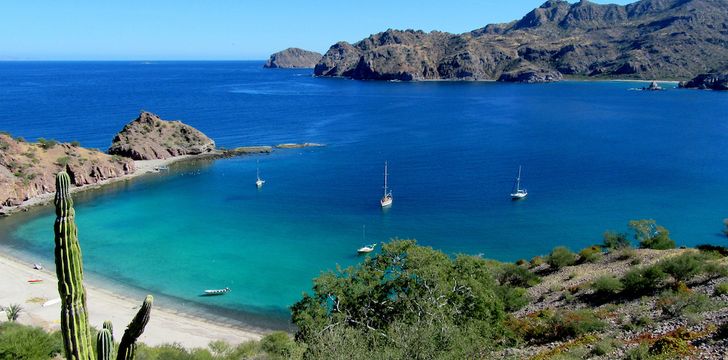
This is Mexico’s main yacht chartering region and, with the fantastic facilities available, it is not hard to see why. The region offers gorgeous white sandy beaches and a variety of water sports including scuba diving, water skiing and excellent snorkelling, dolphin and whale watching, and swimming with baby sea lions. The area has sailing for novices to those with extensive experience and has picturesque and secluded coves for anchoring a yacht.
Mexican Riviera
The Mexican Riviera is renowned for being a major fishing charter location, with Mazatlan the most famous destination for big game fishing such as marlin, mahi-mahi, tuna, and sailfish. There is also a more traditional Mexican feel to the area with troubadours (traditional singers of love songs) often spotted serenading on the beaches against phenomenal sunset backdrops.
Yucatán Peninsula
On the eastern side of the country, the Yucatán Peninsula separates the Caribbean Sea from the Gulf of Mexico so enjoys the balmy tropical weather characteristic of the Caribbean. It formed a significant portion of the ancient Mayan empire so there are many ancient sites on the Peninsula such as the more famous Chichen Itza, Tulum and Uxmal.
Mexican Climate

Divided by the Tropic of Cancer, Mexico is a combination of temperate and tropical zones due to varied elevations. As a result, the climate varies across the country and is the most diverse in the world. The sub-tropical areas in the north generally have hot dry summers and temperate winters, whereas the tropical south is hot and fairly humid the whole year round with average temperatures between 24-28°C (75-81°F). The period between June and September tends to be hottest and wettest over most of the country, whilst the period between October and May is considered the most pleasant time to visit.
Getting There
Around 30 Mexican cities receive direct flights from North America and Canada, with relatively cheap connections available to the Caribbean and the rest of Latin America. Most flights from Europe fly to Mexico City and Cancún. Aeroméxico and Mexicana the largest Mexican airlines service many international cities.
Mexican Culture
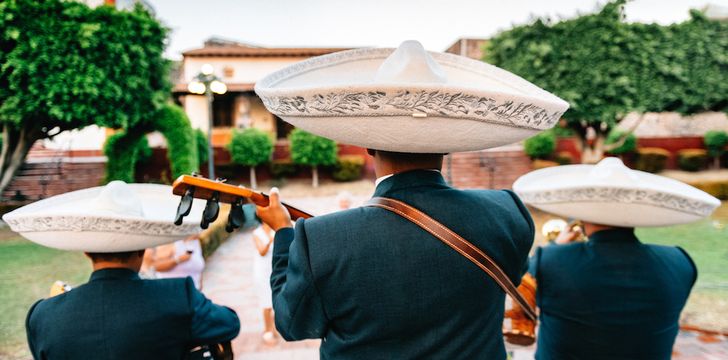
Mexican culture is a reflection of the complex history of the country and the blending of pre-Hispanic civilizations and the Spanish culture-infused during Spain’s 300-year colonial rule of Mexico. Mexico is the second-largest Catholic nation in the world and the Mexicans people proud of their heritage and lifestyle possessing a strong sense of family, respect and community. They are Mexicans are advocates of tipping the work-life balance towards life, and love socialising and spending time with each other; work will never have the importance that friends and family do. The mother is honoured and respected as she is the giver of life and all children whether local or visiting are doted upon.
The Mexican culture includes more than 5000 traditional festivities every year and wherever you go you can be sure to stumble upon a colourful celebration known as a ‘Fiesta’. During the celebrations, Mexico comes to life with large parades, fireworks, dancing, decorations and parties. Some of the more prominent Fiestas are:
Carnaval: 3rd – 8th February
Semana Santa (Easter): Easter (March/April)
Cinco de Mayo (Fifth of May): 5th May
Independence Day on September 16th
Día de los Muertos (Day of the Dead): October 31st to November 2nd
Día de Nuestra Señora de Guadalupe (Guadalupe Day, Patron Saint of Mexico): 12th December
Navidad (Christmas): 25th December
Año Nuevo (New Years Day): December 31st to January 1st
Geography
Mexico is one of the 18 mega-diverse countries of the world; she is home to over 200,000 different species and 10-12% of the world’s biodiversity. With geography which includes some of the most fantastic jungles, deserts and mountain ranges, Mexico ranks first for the biodiversity of reptiles, second for mammals and fourth for amphibians and flora and, therefore is one of the most important to the world’s environment. Any trip to Mexico would be incomplete without exploring some of this fantastic geography.
Cuisine

Mexico’s other famous export is Tequila, whether or not it ‘makes you happy’ it was the first mass-produced in the early 1800’s and originates from the Blue Agave plant, a succulent (not a cactus) that thrives on the volcanic soil near the town of Tequila in the North West of Guadalajara. Interestingly, the tequila worm was a marketing gimmick introduced in the 1940s and is actually the larvae of a certain moth that lives on the Agave plant, the finding of which indicates an infestation and consequently, lower quality tequila.
Currency
The currency of Mexico is the Mexican peso, though the most convenient form of money in Mexico is a major international credit or debit card which can also be used to obtain cash from ATMs. Acceptance of cards can be unpredictable so make sure to take more than one card with you. As always, it is a good idea to take some travelers cheques and a little cash, US dollars are the most easily exchangeable foreign currency and are sometimes accepted in hotels and restaurants in more touristy areas.
Language
Although there is no constitutional official language in Mexico, 97% of the population speak Spanish, the largest Spanish-speaking population in the world. However, due to the General Law of Linguistic Rights of the Indigenous Peoples, Spanish is included as a national language along with all the indigenous minority languages spoken in Mexico. All languages are given the same validity regardless of how many speakers of the language there are. English is widely used in business and is understood in many of the more popular tourist destinations.
History
It is thought that the first people to inhabit Mexico arrived 20,000 years before Columbus arrived. Their descendants developed from hunter-gatherers to agriculturists leading to a succession of highly developed civilizations that flourished between the years of 1200BC and 1521AD and revolved around cities with writing, monumental architecture, astronomical studies, mathematics and large militaries. These civilizations included first the Olmecs, followed about 900 years later by the Zapotecs of Oaxaca and the Mayan people who built the stepped temple pyramids in the Yucatán Peninsula. Other civilizations followed and were succeeded by the Aztecs who settled at Tenochtitlán in the early 14th century.
The landing of Hernán Cortés in 1519 heralded the shattering of nearly 3000 years of civilization as the Spaniards overthrew the Aztec reign and conquered its people in just two short years. Due to harsh treatment by the colonists and newly introduced diseases, the indigenous population fell from an estimated 25 million to one million by 1605. The succeeding centuries were littered with apartheid, unrest and inequality between the indigenous peoples, imported slaves and the Spanish colonists until 1810 when Miguel Hidalgo y Costilla led a rebellion resulting in Mexican independence from Spain in 1832.
Since then the country has experienced years of presidential tussles and spouts of unrest until recently when fairer elections have led to Mexico operating as the federal constitutional republic of the United Mexican States.
Click here for a sample itinerary: Loreto to La Paz
Our Mexico Charter Yachts
Boatbookings has years of experience in the Mexico Yacht Charter regions and can find you the yacht that fits your needs, whether it is a luxury motor yacht, catamaran or sailing yacht. We can also provide itineraries and recommendations about how to make the best of your Mexico yachting vacation. Please click on the button below to see a selection of our Mexico Charter Yachts, or simply contact us and we'll provide you with a custom proposal that meets your needs.